Removals near Belsize Park Station parking and timing advice
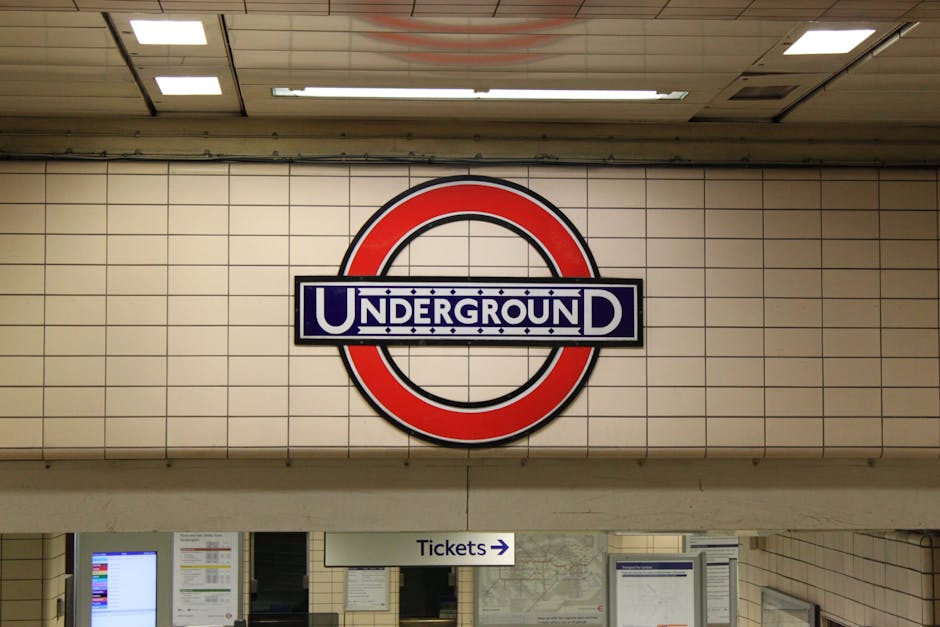
If you are planning a move around Belsize Park, the parking puzzle can matter just as much as the boxes. Narrow residential streets, busy school runs, and station traffic can turn a straightforward removals job into a slow, slightly fraught morning. That is exactly why Removals near Belsize Park Station parking and timing advice is worth getting right before the van arrives.
This guide walks through the practical side of moving in the area: where timing usually helps most, how to think about vehicle access, what to prepare in advance, and how to reduce the little delays that pile up fast. If you want a calmer move, fewer surprises, and a plan that makes sense in the real world, you are in the right place.
One small truth from experience: a move in London often feels easy on paper and then gets "interesting" the second the vehicle is double-parked and somebody cannot find the keys. Let's avoid that.
Why Removals near Belsize Park Station parking and timing advice Matters
Belsize Park Station sits in a part of North West London where convenience is excellent for daily life, but less forgiving for a removal van. The surrounding streets can be tight, parking can be limited, and even a short stop can become awkward if the timing is poor. That affects everything: how quickly loaders can carry items, whether the van can stay close to the property, and how much disruption you create for neighbours.
Parking and timing advice is not just about avoiding a ticket. It is about keeping the whole move moving. If the van has to park farther away, every sofa, wardrobe, and box needs a longer carry. That adds time, increases physical strain, and can raise the risk of knocks and scrapes. For flats especially, a bad parking plan can be the difference between a neat, controlled move and a long afternoon of tired people shuttling items up and down the pavement.
There is also the human side. If you are leaving a flat on a deadline, or handing over keys at a set time, delays become stressful quickly. The best removals plan near the station starts with a simple question: where will the vehicle stop, and how long can it stay there? Once that is clear, the rest becomes much easier to shape around it.
For many moves, a wider removals-and-storage approach can also help, especially if you are moving out in stages. In that case, a page like removals and storage is worth a look because it can reduce the pressure of trying to do everything in one day.
How Removals near Belsize Park Station parking and timing advice Works
The process is simpler than people expect, but the details matter. A good move usually starts with understanding the property layout, the street outside, and the time window available on the day. Then you match the vehicle size and arrival time to the reality on the ground.
In practice, this often involves five things:
- Checking access near the property - Is there room for a van to pull in safely? Are there yellow lines, residents' bays, or loading restrictions nearby?
- Choosing the right time of day - Early starts often work better because roads are calmer and pavements are less busy. Midday can be a bit more chaotic, truth be told.
- Planning the carry distance - The closer the vehicle can get, the quicker the move and the less wear on your furniture.
- Organising the order of loading - Heavy items first, essentials last, fragile items protected and easy to identify.
- Building in buffer time - Always leave breathing room for lifts, keys, weather, traffic, or that one box nobody labelled properly.
The timing side is especially important around a station area. Local foot traffic can be lively, and the period around commuting hours can make loading slower than expected. If your removal is for a flat, you may also want to think about lift access, stairwells, and whether neighbours will be entering or exiting at the same time.
For shorter moves, a man and van service can be a sensible fit. For bigger house moves, a more structured house removals service is usually the better call because it gives you more support, more carrying capacity, and a clearer timeline.
Key Benefits and Practical Advantages
Getting parking and timing right does more than save a few minutes. It changes the feel of the whole day. Moves that are well timed tend to be calmer, cleaner, and much less physically draining.
- Less distance to carry: A van parked well means fewer trips and fewer chances to bump a wall, radiator, or stair rail.
- Faster loading and unloading: That can matter a lot if you are paying by the hour or working to a key handover.
- Lower stress: People are simply more relaxed when they are not trying to solve parking problems while carrying a mattress.
- Better protection for belongings: Shorter carry times often mean less handling and less risk of damage.
- Better coordination with neighbours and building rules: Planning ahead helps you stay considerate and avoid unnecessary friction.
- More predictable costs: When the move is efficient, there is less chance of extended labour time or rescheduling.
There is a quieter benefit too. Good planning gives you a sense of control. That sounds small, but on moving day, control is everything. Once the kettle is packed and the cushions are in the van, you want the rest to feel boring in the best possible way.
If your move involves a smaller number of items, it may be worth comparing options against small removals so you do not overbook a vehicle bigger than you need. For larger homes, extra support from packing services can also cut time dramatically.
Who This Is For and When It Makes Sense
This advice is useful for anyone moving in or out near Belsize Park Station, but it is especially relevant for:
- Flat movers who may have limited on-street stopping space and shared entrances.
- Families trying to move school items, furniture, and everyday essentials on a fixed schedule.
- Students leaving term-time accommodation or moving between rentals.
- Office teams needing to minimise downtime and keep disruption low.
- People downsizing who want to split the move across more than one day.
- Anyone with large or awkward items such as wardrobes, sofas, or desks.
It also makes sense if you are moving in winter, on a rainy day, or during a busy period when the street outside may already feel cramped. In those situations, even a fifteen-minute delay can snowball. You will notice it first in the loading rhythm, then in the mood of everyone involved. People get quieter. Things get slower. Not ideal.
For students or renters with a short gap between tenancies, student storage or short-term storage can take some pressure off the timing. If you are between properties, that little bit of flexibility can be a lifesaver.
Step-by-Step Guidance
If you want the move to run smoothly, follow a practical sequence rather than improvising on the morning. The day usually goes better when every part already has a job.
1. Check the street conditions the day before
Walk the area if you can. Look at parking bays, yellow lines, loading restrictions, and pinch points. In Belsize Park, a short walk can reveal more than ten messages back and forth ever will. Also check whether there is a school entrance, a busier junction, or a narrow bend that could make van positioning awkward.
2. Match the vehicle size to the access
A larger van is not automatically better. Sometimes a slightly smaller vehicle makes the whole job smoother because it can position more easily. This is especially true for flats and older properties where street access is tight. If you are unsure, a local removals team can usually advise whether a local removals setup or a larger van is the better fit.
3. Choose a sensible arrival window
Earlier is usually safer than later, provided the property is ready. Morning starts help avoid the build-up of traffic and footfall. If lift access is shared or parking is likely to be occupied later in the day, an early slot gives you a better chance of a clean stop. That said, do not book too early if packing will still be happening. A van waiting while you tape up the last box is not a glamorous sight.
4. Prepare the load in priority order
Put essential items together: documents, chargers, medication, kettle stuff, and any valuables you want to keep with you. Then group boxes by room and label clearly. This makes unloading faster and reduces those daft little mistakes where cutlery ends up in the bedroom and nobody quite knows why.
5. Protect the difficult pieces first
Fragile mirrors, glass tables, artwork, and flat-pack furniture all benefit from extra wrapping and clear handling instructions. If you have items that need special attention, use proper padding and mark them visibly. A good team will still handle them carefully, but a label helps everyone move with confidence.
6. Build in a buffer for delays
Traffic, keys, lift access, and neighbour movement can all create small delays. Add time rather than trying to squeeze every minute. Even a ten-minute buffer can make the morning feel less rushed.
7. Keep the final handover simple
If you are handing over keys or ending a tenancy, keep documents and instructions easy to reach. The day is smoother when nobody is hunting through a box labelled "miscellaneous." Which, let's face it, can mean anything or nothing.
Expert Tips for Better Results
There are a few practical habits that make a noticeable difference on removal day. None of them are complicated, but they are the kind of details experienced movers never ignore.
- Book around quieter traffic periods where possible. Early mornings often work better than mid-morning in busy residential areas.
- Keep the front of the property clear. Bins, planters, and loose furniture can slow the loading path more than people expect.
- Tell your removal team about access quirks. A narrow stairwell, a fiddly entrance code, or a shared driveway matters.
- Separate parking assumptions from parking reality. "It should be fine" is not the same as "it is fine."
- Use storage if timing is messy. If move-out and move-in dates do not align neatly, storage can turn a difficult day into a manageable one.
For example, if your new place is not ready until the afternoon and your current property must be emptied by midday, a storage stop can be the difference between a panic and a plan. In those cases, self storage or secure storage gives you breathing space without forcing rushed decisions.
Another tip: if you are moving an office or a small business, try to schedule the move outside peak working hours. A move that starts before the office opens, or after everyone has left, usually causes far less disruption. For that kind of job, office removals and business storage are often worth considering together.
Common Mistakes to Avoid
Most moving problems near station areas are predictable. That is the good news. The not-so-good news is that people still repeat the same mistakes. A few of the most common ones are below.
- Leaving parking until the day itself. By then, you are reacting instead of planning.
- Assuming the van can stop directly outside. Sometimes it can. Sometimes it absolutely cannot.
- Booking at a busy time without checking the street pattern. School runs and commuter movement can create avoidable delays.
- Underestimating how long it takes to carry items from a farther bay. The walk adds up fast.
- Not telling neighbours or building management. A little notice goes a long way, especially in shared buildings.
- Forgetting weather protection. London rain has a habit of arriving at just the wrong moment.
- Overpacking boxes. Heavy boxes slow everything down and make handling riskier.
One mistake I see often is people treating timing as a fixed certainty. It rarely is. The better approach is to aim for a clean start, then leave room for the normal messiness of moving day. Very glamorous, I know.
If you are moving a flat with a lot of stairs or no lift, consider whether flat removals might be the more realistic service option. It is usually easier to plan access properly when the service is matched to the building.
Tools, Resources and Recommendations
You do not need a complicated toolkit to plan this well. A few simple resources are enough.
| Tool or resource | Why it helps | Best use case |
|---|---|---|
| Printed move plan | Keeps tasks visible and reduces last-minute confusion | Families, flat shares, and larger households |
| Room labels | Makes unloading faster and less chaotic | Any move with multiple rooms or floors |
| Furniture covers and wraps | Protects corners, upholstery, and surfaces during short carries | Sofas, mattresses, tables, and wardrobes |
| Storage unit booking | Gives timing flexibility when dates do not line up | Staged moves, renovations, or delayed handovers |
| Packing checklist | Stops essentials disappearing into the wrong box | Everyone, frankly |
In a practical sense, the most useful "tool" is a clear conversation before moving day. Ask about van size, arrival time, access, and parking expectations. If you need a little more support, the site's pricing and quotes information can help you compare the likely shape of the job before you commit.
For security-minded customers, it is also sensible to review insurance and safety and the health and safety policy. Those pages help set expectations on how items are handled and what standards matter during storage or moving support.
Law, Compliance, Standards, or Best Practice
Parking near Belsize Park Station is not just a logistics issue; it can also touch local parking rules, building policies, and general road safety. Because restrictions vary by street and time, it is sensible to treat parking as something to be verified rather than assumed. That means looking out for yellow lines, resident permit zones, loading-only spaces, and any conditions set by the property manager.
Best practice in removals also includes safe manual handling, clear communication, and reasonable consideration for neighbours and pedestrians. In the UK, professional movers are generally expected to work carefully, reduce trip hazards, protect entrances, and avoid blocking access unnecessarily. That may sound obvious, but on a busy London street, obvious things are the ones that are easiest to forget.
If you are arranging a business move or handling documents, storage and privacy matter too. document storage can help keep papers organised and away from the main moving load, while office storage may be useful if you need to stage equipment safely before setup.
It is also sensible to check terms and conditions, payment security, and any relevant service limits before booking. Pages such as payment and security and terms and conditions are there for a reason. Not thrilling reading, perhaps, but useful reading all the same.
Options, Methods, or Comparison Table
Different move types suit different approaches. Choosing the right one can save a surprising amount of time and hassle.
| Option | Best for | Parking/timing impact | Main trade-off |
|---|---|---|---|
| Man and van | Smaller moves, a few rooms, quick local jobs | Easy to schedule, often more flexible on timing | Less capacity for large furniture loads |
| House removals | Full-property moves and larger household inventories | Needs more careful planning, especially for parking and carry distance | More coordination required |
| Flat removals | Flats with stairs, lifts, or shared entrances | Timing matters a lot because access is often limited | Building restrictions can slow the job |
| Removals and storage | Moves with date gaps or staged transfers | Eases time pressure by splitting the process | May require extra handling |
| Small removals | Studios, student moves, single-item transport | Usually easier to fit around parking realities | Not ideal for larger households |
There is no single "best" option. The right answer depends on your property, your access, your time window, and how much you are moving. A tiny move can be complicated if the street is awkward. A larger move can be surprisingly smooth if the plan is tight. Strange, but true.
Case Study or Real-World Example
A typical local example goes like this. A couple moves out of a second-floor flat near the station on a weekday morning. They have a sofa, bed, dining table, and around 30 boxes. The first instinct is to book a mid-morning slot because it feels more relaxed. In reality, that timing overlaps with heavier street activity, the lift is shared, and the van has to park further away than hoped.
On the second attempt, the move is planned for earlier. The couple label boxes by room, clear the hallway, and book the van with a realistic buffer. The team positions as close as possible, starts with the heaviest items, and keeps the front door path clear. The whole move feels steadier. Not perfect, because moves rarely are, but much smoother.
That is the key lesson: better parking and timing do not remove the effort of moving. They simply stop the effort from being wasted. You still have the same boxes, the same stairs, the same kettle somewhere in a wrapper. But the day works with you instead of against you.
For similar local moves, small removals or man and van can be especially practical if the load is modest and timing flexibility matters more than vehicle size.
Practical Checklist
Use this as a final pre-move sanity check. It is simple, but simple is good on moving day.
- Confirm the exact move date and arrival window.
- Check parking restrictions near the property and station area.
- Decide where the van is most likely to stop.
- Tell the removal team about stairs, lifts, codes, or access issues.
- Label boxes clearly by room and priority.
- Protect fragile and awkward items first.
- Set aside essentials you will need immediately after arrival.
- Let neighbours or building management know if needed.
- Keep keys, documents, and payment details easy to reach.
- Prepare for weather, even if the sky looks cheerful at breakfast.
- Have a fallback plan if the nearest bay is occupied.
- Consider storage if your dates do not match cleanly.
Expert summary: The best removals near Belsize Park Station are rarely the fastest on paper; they are the ones that are planned around access, parking, and a realistic arrival time. That is what keeps the day calm, efficient, and much less tiring.
If you are still weighing up support options, it can help to compare removals with removals and storage before booking, especially if your move date is tight or the property access is tricky.
Get a free quote today and see how much you can save.
Conclusion
Parking and timing advice might not sound glamorous, but near Belsize Park Station it is often the difference between a smooth move and a stressful one. The streets demand a little more thought, a little more patience, and a plan that respects real-life access rather than wishful thinking.
Once you know where the van will stop, when it should arrive, and how long the carry is likely to take, the rest becomes much easier to manage. Add a few sensible backups, keep essentials close, and use storage or packing support where it genuinely helps. That is usually enough to turn a potentially messy day into something quietly successful.
And when the last box is inside, the dust settles, and the kettle finally goes on, that calm feeling is worth a great deal. You will be glad you planned it properly.
Frequently Asked Questions
What is the best time of day for removals near Belsize Park Station?
Early morning is often the safest bet because traffic, pedestrian movement, and parking pressure are usually lower. That said, the best time also depends on when your property is ready and whether building access is restricted.
How do I know if a removal van can park near my flat?
Check the street in person if possible. Look for yellow lines, resident bays, loading restrictions, or tight corners. If you are unsure, ask the removals team to assess the access beforehand rather than guessing on the day.
Should I book a man and van or full removals service?
If you have a small load, a man and van option may be enough. For larger homes, awkward furniture, or more complex access, a full house removals service is usually more suitable.
Can I use storage if my move-out and move-in dates do not match?
Yes. Storage is often the neatest solution when dates are out of sync. Short-term storage is especially useful for gaps of days or weeks, while long-term storage suits longer arrangements.
Why does parking matter so much for removals?
Because parking affects carry distance, loading speed, physical effort, and the overall timeline. If the van has to stop further away, the job gets slower and more tiring very quickly.
What should I do if parking outside is already taken?
Have a backup plan. Identify a second possible stop nearby, and tell the removal team in advance. A flexible plan is far better than standing on the pavement wondering what now.
Are flat moves harder near the station?
They can be, mainly because of shared entrances, stairs, lifts, and tighter access. A dedicated flat removals approach helps because it is designed around those constraints.
How far in advance should I arrange the move?
As early as you can, especially if you need a specific time window or if parking is likely to be tight. Earlier booking also gives you more time to sort packing, storage, and access details.
Do I need packing help as well as removals?
Not always, but packing support can save a lot of time if you are short on evenings or moving a large household. Packing services are particularly useful when speed and order matter.
What if I am moving an office rather than a home?
Then timing becomes even more important because you will want to minimise disruption to work. Office removals and office storage can help you phase the move sensibly.
Is it worth using storage for just a few days?
Yes, if it helps the schedule. Even a short gap between tenancies or handovers can make storage worthwhile because it removes pressure from the move day itself.
Where can I find pricing information before I book?
You can review pricing and quotes to get a clearer sense of the available options before confirming anything.
How can I make the move less stressful overall?
Keep the plan simple: choose a realistic time, confirm parking, label boxes well, and avoid overfilling the day. A clear plan and a few buffers will usually do more good than trying to control every detail.