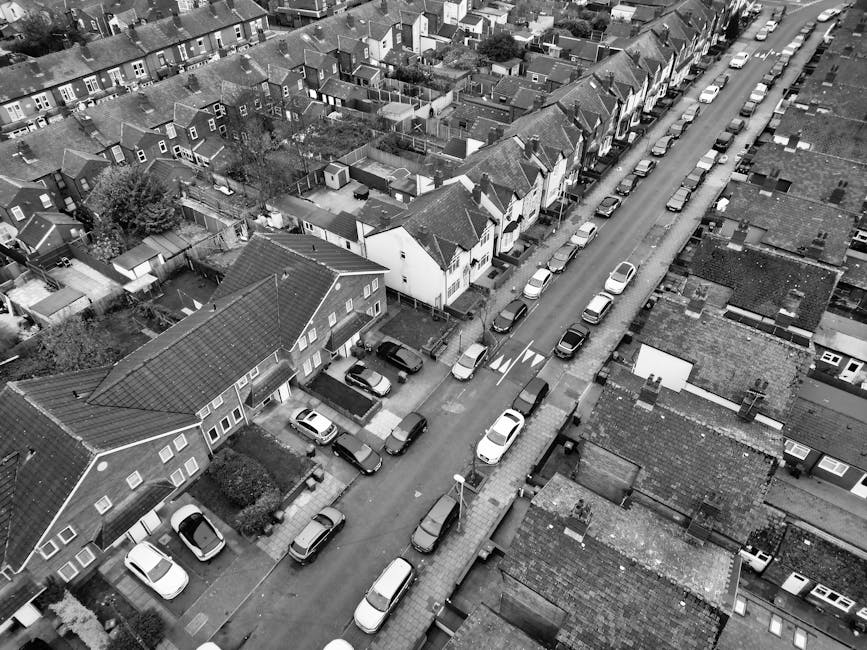
Belsize Park Road removals for narrow access properties: a practical guide that actually helps
If you are planning Belsize Park Road removals for narrow access properties, the first thing to know is this: the move is absolutely doable, but it rewards careful planning. Narrow stairs, tight hallways, awkward front steps, basement flats, and limited parking can all slow a normal removal down. On Belsize Park Road, that kind of access issue is not unusual, and a good move depends on matching the right vehicle, crew, packing method, and timing to the property itself.
This guide explains how narrow-access removals work, what to check before move day, where the common pain points are, and which choices make the whole process smoother. You will also find a simple checklist, a comparison table, and a realistic example so you can make sensible decisions without the drama. Let's face it, moving is stressful enough without a sofa getting stuck halfway down a staircase.
Why Belsize Park Road removals for narrow access properties matters
Narrow access changes everything. A removal in a property with easy driveway access, a wide stairwell, and a lift is one thing. A removal from a period flat with tight turns, shared entrances, or no nearby loading space is something else entirely. On Belsize Park Road, many homes and flats can involve one or more of these issues, so the move has to be planned around the building rather than the other way round.
The reason this matters is simple: the biggest risks in a tight-access move are delays, damage, and fatigue. If movers have to carry items a long way from the vehicle, navigate awkward corners, or wait for parking to clear, the job takes longer. That can affect cost, timing, and, if you are not careful, the safety of your belongings and the property itself. A scratched wall or a chipped bannister is a tiny mistake that becomes an expensive headache very quickly.
There is also a human side to it. Many narrow-access moves involve people who are already under pressure: families trying to move out before school pick-up, tenants working around checkout times, or business owners needing to move stock and equipment without disrupting trading. In those moments, clarity is worth a lot. Knowing what will happen, who will carry what, and how the access will work can take a surprising amount of stress out of the day.
Expert summary: If a property is difficult to access, the move should be designed around safe carrying distances, suitable vehicle size, clear parking arrangements, and realistic loading times. Everything else follows from that.
For a broader look at service types that often overlap with these moves, you may also find flat removals and small removals useful, especially where stairs, compact rooms, or fewer items are involved.
How Belsize Park Road removals for narrow access properties works
A narrow-access move is not just a standard removal with a smaller van. In practice, it starts with assessment. The team needs to understand the property layout, the width of the doorway and staircases, the type of furniture, parking restrictions, and whether anything bulky will need disassembly. If a fridge, wardrobe, or large sofa needs to be removed, the route out of the property matters as much as the item itself.
Usually, a proper plan will include a pre-move survey, even if that survey is quick and remote. You might be asked about the number of flights of stairs, whether there is a lift, where the loading point is, and whether there are any access codes, porters, or timed entry restrictions. It sounds a bit formal, but those small details are exactly what stops a move from becoming chaotic at 8:00 on a busy morning.
Then comes the packing and protection stage. Narrow hallways and stairwells call for proper corner protection, furniture covers, and careful wrapping of fragile items. Bulky items may be partially dismantled. A good removals crew will normally decide whether to take a sofa in one piece, remove the feet, or split it further if the design allows. Truth be told, this is where experience really shows.
For some moves, a man and van approach can work well, especially if the property is small and the load is limited. In other cases, a full removals service is the better fit because the team can handle dismantling, loading, protection, and delivery in one organised process.
If you are moving into or out of a compact home, it can also help to combine access planning with packing services. That way, fragile items are packed in a way that makes them easier to carry through tight spaces, which sounds basic but genuinely saves time and nerves.
Key benefits and practical advantages
The main benefit of a well-planned narrow-access removal is control. You are reducing the number of unknowns before the day begins. That means fewer delays, better protection for your belongings, and a smoother rhythm from the first box to the final piece of furniture.
- Less damage risk: Proper planning protects walls, banisters, floors, and furniture.
- Faster loading and unloading: A crew that knows the access route can work more efficiently.
- Better vehicle choice: The right van size matters when parking and access are tight.
- Less stress: Clear steps and realistic timings make the day feel manageable.
- Smarter use of storage: If items cannot go in immediately, storage can bridge the gap.
That last point is often overlooked. Narrow-access properties sometimes create timing problems at both ends of the move. Maybe the new flat is not ready yet. Maybe the old one has a delayed handover. Maybe a bulky wardrobe simply will not fit through the new stairwell without a rethink. In those cases, short-term storage can be the calm, boring solution that saves the day. Boring is good here. Boring means organised.
You may want to look at removals and storage if you need to split the move into stages. For especially delicate or valuable items, secure storage offers peace of mind while you settle the access side of the move.
Who this is for and when it makes sense
This kind of removal is for anyone dealing with awkward access, not just people on one particular road. But Belsize Park Road is a good example because the area includes a mix of flats, converted properties, basement homes, and older buildings where access can be tight in the real world, not just on paper.
It makes sense if you are:
- moving from a top-floor flat with narrow stairs
- handling a basement or lower-ground property with a steep entrance
- working with limited on-street loading space
- moving furniture that may not fit through a conventional route
- trying to avoid disruption in a shared building
- moving on a tight timetable and need everything to run smoothly
It also makes sense for people who are downsizing. A smaller property often means fewer items, but oddly enough, fewer items can still be a problem if the largest item is the awkward one. One wardrobe, one sofa, one mattress. That is often where the real challenge sits.
For students, renters, and people in temporary housing, short-term solutions can be particularly useful. A move might involve storing some items while you wait for keys, repairs, or move-in access. In that context, short-term storage and student storage can make a tight schedule much easier to manage.
Step-by-step guidance
Here is the practical route I would follow for a narrow-access move on Belsize Park Road. It keeps the process grounded and helps you avoid the usual last-minute scramble.
- Assess the access properly. Measure doors, stair turns, lift dimensions if relevant, and note anything unusual like low ceilings or tight landings.
- Identify the largest and heaviest items. Sofas, beds, wardrobes, white goods, desks, and pianos, if you are unlucky enough to own one, need special attention.
- Check parking and loading space. Decide where the vehicle can stop, how long it can stay, and whether the crew will need to carry items a long distance.
- Sort packing in advance. Use sturdy boxes, label by room, and keep fragile items separate. Narrow corridors are not the place for loose chaos.
- Decide what should be dismantled. Beds, tables, and modular furniture are often easier to move in parts.
- Consider storage if needed. If access timing or space is uncertain, build in a storage buffer rather than forcing a rushed move.
- Confirm the day plan. Share phone numbers, access codes, floor numbers, and timing details so nobody is guessing on the day.
One small but important detail: clear the route inside the property before the movers arrive. Shoes, loose rugs, doorstops, coat stands, and decorative clutter can be surprisingly irritating obstacles. It is never the grand, dramatic thing that causes the problem. Usually it is the little one near the hallway wall.
Expert tips for better results
A good narrow-access removal benefits from a few habits that are simple, but not always obvious.
1) Measure the route, not just the room
People often measure the furniture and forget the corners. That is the mistake. The route matters more than the item in isolation. A sofa might fit through a room door but fail at the staircase turn. You need the full path, from room to van.
2) Protect floors and corners early
Hallways in older London properties can show scuffs quickly. Floor runners, door guards, and careful lifting are not luxuries; they are basic good practice. Once damage happens, it is awkward for everyone.
3) Keep an eye on timing
Narrow-access jobs are often slower than standard ones. Build in a buffer. If there is a building handover, lift booking, or parking restriction, allow more time than you think you need. A calm 15-minute buffer can feel like a miracle later in the day.
4) Use the right service for the load
If the move is small and access is the main issue, a compact service may be enough. If you have several rooms of furniture, a larger removals crew is usually better. Matching the service to the property is where efficiency comes from. Not from rushing, despite what some people think on moving day.
5) Consider separating essentials
Keep a small bag or box for keys, documents, chargers, basic toiletries, snacks, and medication. That sounds obvious, but on a move day with tight access, the obvious things are the easiest to overlook.
If your move includes office items or documents, it may be worth looking at office removals and document storage for items that need handling with extra care and a bit of order.
Common mistakes to avoid
Most narrow-access moving problems are avoidable. The trouble is, they often only look minor until the moving crew arrives and the day gets real.
- Underestimating the staircase: A stairwell with one awkward turn can change the entire plan.
- Not mentioning restrictions: If there is no parking, a loading bay issue, or a timed entry system, say so early.
- Leaving furniture assembled: Big items are much harder to move if they are not broken down where possible.
- Packing heavy boxes too full: A box that is too heavy becomes awkward in tight spaces and can fail at the worst time.
- Skipping a pre-move check: Even a quick walkthrough can reveal problems that matter.
- Assuming every mover works the same way: Some teams are great at difficult access. Some less so. The difference is noticeable.
Another common issue is forgetting about the new property. People focus on getting out, then arrive at a new flat and realise the fridge will not fit past the bannister. That kind of surprise can be frustrating. It is better to find that out on Tuesday afternoon than on the morning of the move.
Tools, resources and recommendations
You do not need a giant kit to make a narrow-access move work, but a few practical items help more than you might expect.
- Measuring tape: Useful for doors, stair widths, furniture depth, and turning space.
- Strong labels: Make it easy to spot room destinations quickly.
- Furniture blankets and wraps: Help protect corners and finishes in tight spaces.
- Basic tools: Screwdrivers, Allen keys, and a hammer can be enough for simple dismantling.
- Box cutters and tape: Keep packing controlled and efficient.
- Reusable crates or sturdy boxes: Better for repeated handling and stacking.
If you are moving a mixture of household and stored items, services such as household storage and mobile self storage can be very practical. They are especially helpful when you need flexibility without carrying everything in one day.
For people moving furniture only, furniture storage can be a sensible holding point if a piece is too large for the staircase or the timing is off. And if the move is part of a broader house relocation, house removals may be the most complete option.
Law, compliance, standards, or best practice
For removals in the UK, the main point is not to treat compliance as a box-ticking exercise. The practical focus should be safe lifting, sensible vehicle loading, property protection, and clear communication. If movers are carrying heavy or awkward items, they should work in a way that reduces the risk of injury and avoids preventable damage. That is standard professional practice.
In residential streets like Belsize Park Road, parking and loading should also be handled with care and common sense. Local restrictions, access windows, and any building-specific rules must be respected. If a building has a porter, booking system, lift rules, or quiet hours, those should be understood before the move starts.
Insurance is another area worth checking. You want to know what is covered, what is excluded, and what kind of packing or handling is required. A reputable removals provider should be clear on that. It is also sensible to read the company's insurance and safety information and the health and safety policy so expectations are clear on both sides.
Good practice also includes transparency around payment and terms. Before booking, review payment and security and terms and conditions. It is the dull part, yes, but it saves awkward questions later. Nobody enjoys discovering a policy detail after the van has already left.
Options, methods, or comparison table
Different moves need different approaches. The table below gives a simple way to compare common options for narrow-access removals.
| Option | Best for | Strengths | Limitations |
|---|---|---|---|
| Man and van | Small moves, lighter loads, quick turns | Flexible, usually easier in tight streets, good for short jobs | Less suited to large households or many bulky items |
| Full removals team | Multi-room or more complex moves | Better for dismantling, loading protection, and heavy items | Can be more than you need for a very small move |
| Removals and storage | Staged moves, delayed handovers, access problems | Helps bridge timing gaps and space constraints | Requires extra coordination and planning |
| Short-term storage first | When the property is not ready or furniture will not fit | Reduces pressure and keeps the move flexible | Means you handle the move in two phases |
The right choice is usually obvious once you know the access, the volume, and the timing. If you are not sure, start with the size of the largest item and work backwards. That sounds simple because it is.
Case study or real-world example
Here is a realistic example. A couple moving out of a converted flat near Belsize Park Road had a three-seat sofa, a king-size bed, two wardrobes, and several boxes. The staircase was narrow, the landing turned sharply, and parking on the street was limited to a short loading period. A standard van alone would not have solved the problem.
What made the move work was preparation. The wardrobes were dismantled the day before, mirrors were wrapped separately, and the heaviest boxes were repacked so they could be carried safely. The movers arrived with the right vehicle size for the street, the loading path was clear, and the items that could not go directly to the new flat were placed into short-term storage for a few days.
The move was still a move. There was still tape everywhere, a bit of dust in the hallway, and that moment when everyone thought the mattress was never going to clear the turn. But it was controlled. No damage. No panic. That is what a narrow-access move should feel like: slightly busy, not messy.
Practical checklist
Use this checklist before moving day. Keep it simple and tick things off early.
- Measure the widest item and the tightest access point
- Confirm staircase turns, landings, and lift dimensions
- Check parking or loading arrangements for both addresses
- Tell the removals team about any awkward furniture or fragile items
- Decide what should be dismantled in advance
- Pack heavy items into smaller boxes
- Protect floors, walls, and corners where needed
- Keep documents, keys, chargers, and medication separate
- Arrange storage if there is any risk of a space or timing gap
- Review insurance, payment, and booking terms before the move
If you are moving a business rather than a home, it may also help to consider business storage or office storage if you need a secure holding place for stock, paperwork, or equipment. Small decisions here can make the whole process feel much lighter.
Conclusion
Belsize Park Road removals for narrow access properties are all about fitting the move to the building, not forcing the building to fit the move. Once you understand the access route, choose the right vehicle and crew, and plan for any storage or timing gaps, the whole thing becomes far more manageable. Not easy, necessarily. Just manageable. And that is enough.
To be fair, a narrow hallway or a tricky staircase is not fun on move day, but it is rarely a deal-breaker. With good preparation, clear communication, and the right support, you can protect your belongings, reduce delays, and keep the day calmer than you expected. That calm matters more than people think.
Get a free quote today and see how much you can save.
If you want to keep things moving without stress, start with a clear access check, then build the rest of the plan around it. Small steps, done properly, tend to work best. Sometimes the simple route really is the strongest one.
Frequently Asked Questions
What makes Belsize Park Road removals for narrow access properties different from a normal move?
The main difference is the access itself. Narrow stairs, tight hallways, limited parking, and awkward loading points mean the move needs more planning. The actual packing and carrying may also take longer, so the whole job has to be scheduled with that in mind.
How do I know if my property counts as narrow access?
If large furniture has to turn sharply, carry distance from van to door is long, or the building has stairs that feel tight even without boxes in hand, it is probably a narrow-access move. Period flats, basement homes, and converted properties often fall into this category.
Should I choose a man and van or a full removals team?
It depends on the load. A man and van service can suit smaller moves with fewer items. A full removals team is usually better if you have several rooms, bulky furniture, or items that need dismantling and protection. If in doubt, think about the heaviest piece first.
Can storage help with a narrow-access move?
Yes, often. Storage is useful when furniture will not fit immediately, the new property is not ready, or you want to move in stages. Removals and storage can be especially handy if you are juggling timing and access at the same time.
What should I measure before booking?
Measure the widest furniture pieces, door widths, stair turns, landings, and any lift dimensions if relevant. Also check loading space outside both properties. The route matters just as much as the item.
Do I need to dismantle furniture before the movers arrive?
Not always, but it often helps. Beds, tables, and modular furniture are easier to move in parts. If you are unsure, ask in advance so the plan is clear and nobody is trying to find an Allen key at the last second.
How can I protect my walls and floors during the move?
Use floor coverings, door protection, and careful handling. Remove clutter from hallways, keep loose rugs out of the way, and make sure movers know where the tight corners are. A clean route saves a lot of grief.
What if parking is difficult on move day?
That is common in busy London streets. The best approach is to plan parking or loading as early as possible and tell the removals team about restrictions. Even a short carry can become long if the vehicle has to park far away.
Are narrow-access moves more expensive?
Sometimes they can be, because they may take longer or need more careful handling. But pricing depends on the size of the move, access conditions, storage needs, and timing. A proper quote should reflect the actual job rather than a guess.
What if my largest item will not fit through the stairwell?
That is where dismantling, alternative routes, or storage come in. Some items can be separated or carried in parts. If not, a storage solution may be the safest option until you can decide what to do next.
Is packing service worth it for a tricky property?
Often yes. Professional packing can make items easier to carry, reduce breakage risk, and speed up the whole process. It is especially useful if you are moving fragile items through a narrow route or you simply do not want to spend the week before the move surrounded by tape and boxes.
Where can I find more help with local moving and storage needs?
You can explore local removals, self storage, and packing services if you need a practical mix of moving and storage support. Those options are often the easiest place to start.
What should I check before I confirm the booking?
Check the access details, parking arrangements, insurance information, payment terms, and cancellation conditions. You should also make sure the team understands any unusual furniture or building rules. A few clear answers now can save a lot of confusion later.
Final note: A narrow-access move can feel fiddly, but with the right preparation it becomes a straightforward project rather than a stressful event. And honestly, that is what most people want most of all.